
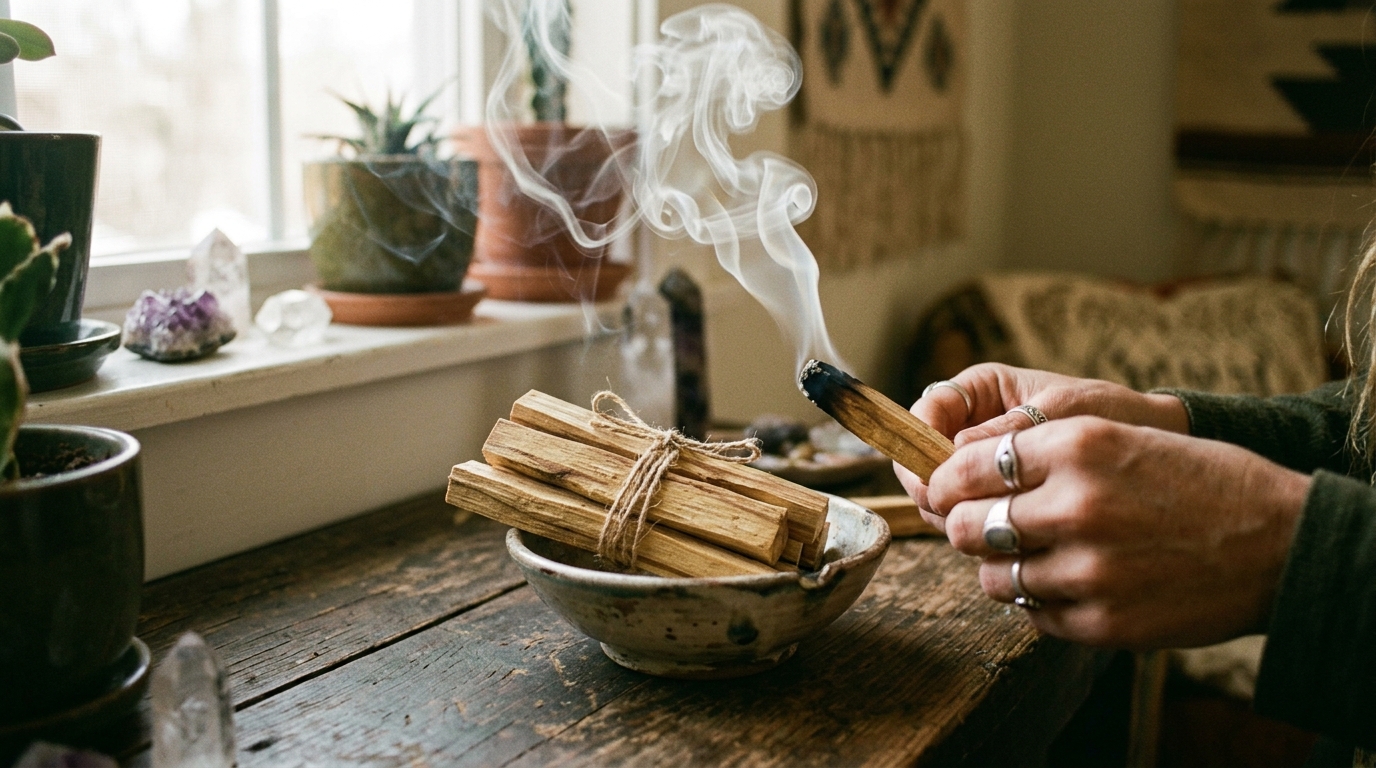
The Origin and History of Palo Santo
 A Tree with Deep Cultural Roots
Palo Santo comes primarily from the dry forests of:
 Peru
Peru Ecuador
 Bolivia
 Paraguay
 Northern Argentina
For centuries, Indigenous healers and spiritual leaders have valued the tree as part of traditional ceremonies.
Its use was closely connected to:
- Community gatherings
- Prayer rituals
- Gratitude ceremonies
- Seasonal celebrations
- Times of healing
- Reflection and meditation
Rather than viewing the tree as magical, many communities regarded it as one element within a larger spiritual tradition centered on respect for nature and the Creator.
 Why Is It Called “Holy Wood”?
The Spanish explorers who encountered this tree noticed how local communities honored it and named it “Palo Santo,” meaning:
Holy Wood
The name reflects the tree’s cultural importance rather than proving any supernatural property.
Many people see the title as symbolizing:
 Sacredness
 Harmony with creation
 Reverence
 Gratitude
Renewal
 The Spiritual Meaning of Palo Santo
Although beliefs vary widely, Palo Santo is commonly associated with several spiritual themes.
1. Spiritual Cleansing
Perhaps the most well-known symbolism is cleansing.
Many people burn Palo Santo before:
- Meditation
- Prayer
- Journaling
- Yoga
- Quiet reflection
Its fragrant smoke reminds users to let go of:
- Fear
- Anxiety
- Emotional burdens
- Stress
- Negative thought patterns
Whether or not one believes the smoke has spiritual effects, the act itself can encourage intentional reflection and mindfulness.
 2. New Beginnings
One remarkable fact about Palo Santo is that the tree is traditionally harvested only after it has naturally died and rested for several years.
This has inspired a beautiful metaphor:
Sometimes something beautiful emerges after an ending.
Spiritually, Palo Santo reminds many people that:
 Every ending can become a new beginning.
Healing follows hardship.
 Hope rises after darkness.
 3. Healing the Heart
Many associate Palo Santo with emotional healing.
Its calming scent often encourages people to pause, breathe deeply, and process difficult emotions.
It symbolizes:
Forgiveness
Peace
 Comfort
 Restoration
 Emotional balance
 4. Mindfulness and Presence
Modern users often burn Palo Santo simply as a reminder to slow down.
Its aroma encourages:
- Deep breathing
- Reflection
- Gratitude
- Awareness
- Intentional living
Instead of rushing through life, many view it as an invitation to become fully present.
5. Light Over Darkness
Because Palo Santo produces fragrant smoke when burned, many cultures view it as a symbol of:
Light overcoming darkness
Hope overcoming despair
Love overcoming fear
Joy overcoming sadness
These themes resonate across many spiritual traditions, though each interprets them differently.
Symbolism of the Fragrance
The scent of Palo Santo carries symbolic meaning for many people.
Its aroma is often described as:
 Citrus
 Woody
Woody
Earthy
 Sweet
Sweet
Herbal
Symbolically, these qualities represent:
- Fresh starts
- Simplicity
- Purity
- Groundedness
- Natural beauty
The fragrance itself can become a gentle reminder to seek peace and gratitude in everyday life.
Lessons We Can Learn from the Tree
The Palo Santo tree offers meaningful life lessons through its natural growth and aging process.
Patience
The wood develops its rich fragrance only after years of resting.
This reminds us that growth often takes time.
Resilience
The tree withstands harsh climates before completing its natural life cycle.
It symbolizes endurance through life’s challenges.
Transformation
Even after death, the wood becomes known for its beautiful aroma.
This inspires hope that difficult seasons can produce wisdom, compassion, and renewed purpose.
Respect for Nature
Palo Santo encourages appreciation for God’s creation and responsible stewardship of the earth.
 Biblical Perspective on Palo Santo
The Bible does not mention Palo Santo specifically. Therefore, Christians should be careful not to attribute divine power to the wood itself.
Scripture consistently teaches that:
- God alone is the source of peace (John 14:27).
- Spiritual cleansing comes through Christ (1 John 1:7–9).
- Wisdom is found by seeking the Lord (James 1:5).
- Prayer is directed to God, not to objects (Matthew 6:9–13).
Pleasant fragrances do appear in the Bible—such as incense used in worship—but these were symbolic acts commanded for specific purposes, not objects with inherent spiritual power.
For believers, Palo Santo may be appreciated as part of God’s beautiful creation, much like flowers, cedar, or aromatic spices. Its scent can create a peaceful setting for prayer or reflection, but faith and trust belong to God alone.
Practical Ways to Reflect While Using Palo Santo
If you choose to use Palo Santo simply for its fragrance, you might pair it with healthy spiritual practices:
- Spend a few moments in prayer.
- Read a passage of Scripture.
 Write in a gratitude journal.
- Practice slow, intentional breathing.
- Reflect on areas where you need forgiveness or renewal.
- Thank God for the beauty of creation.
These practices focus the heart on lasting spiritual growth rather than on the wood itself.
 Common Misconceptions
It is easy to encounter exaggerated claims about Palo Santo online. A balanced perspective is helpful.
- Myth: Palo Santo automatically removes evil spirits.
Reality: Different traditions make different claims, but the Bible teaches that spiritual protection comes from God, not from an object. - Myth: Burning Palo Santo guarantees good luck or prosperity.
Reality: There is no reliable evidence or biblical basis for this belief. - Myth: The wood has magical powers.
Reality: Its value lies in its natural fragrance and cultural significance, not in proven supernatural abilities.